
The Structural Dynamics of Cold-Flow Clinching in Sheet Metal Assemblies
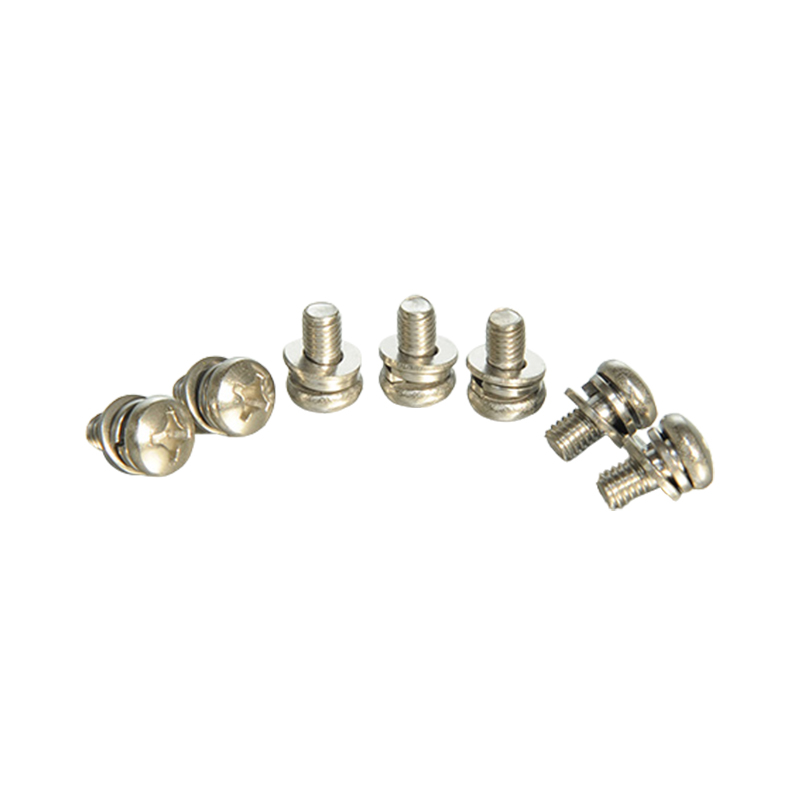
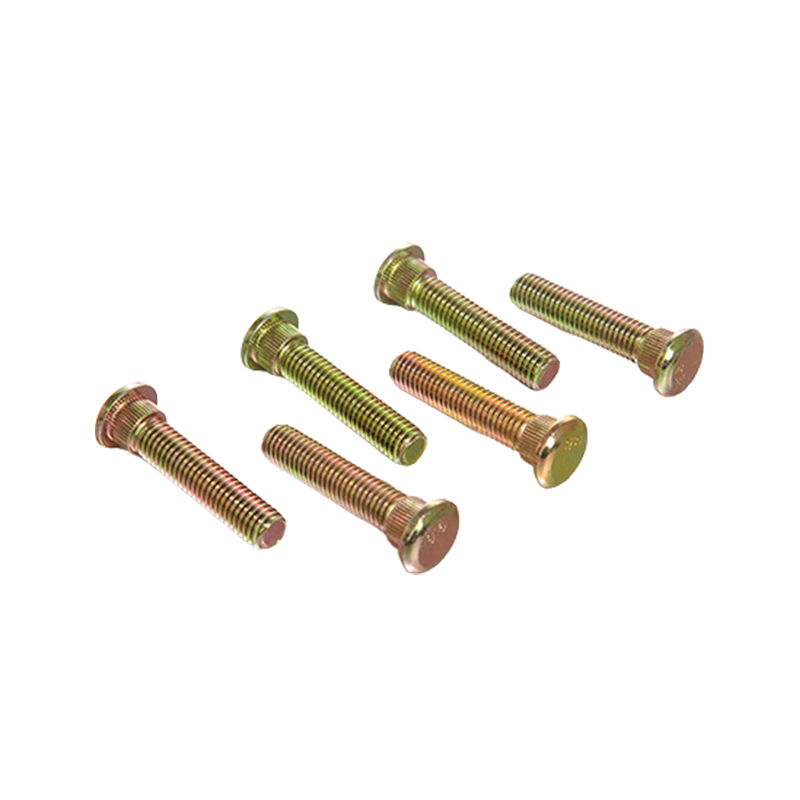
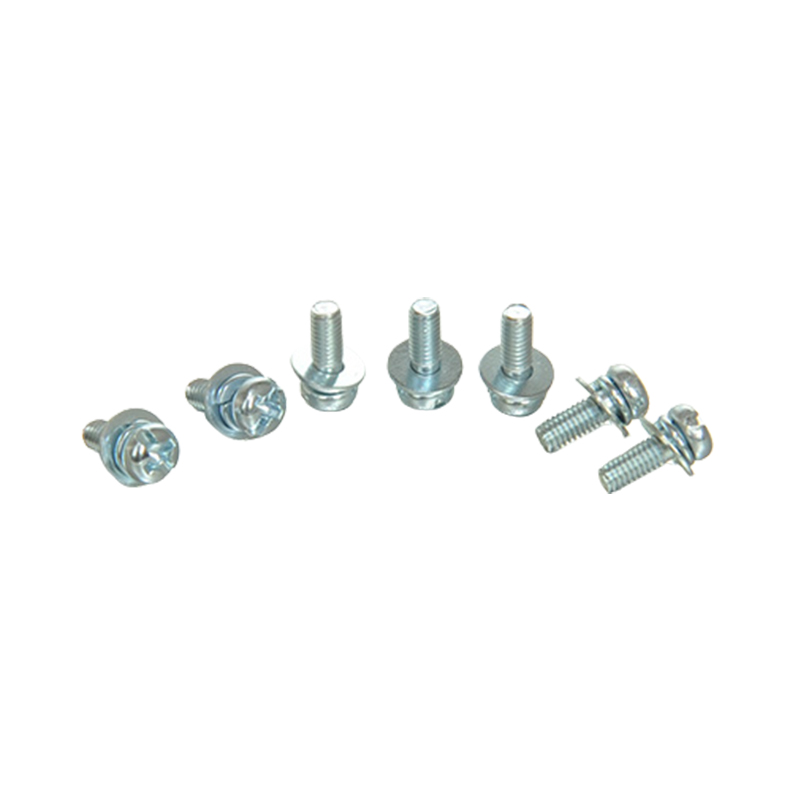
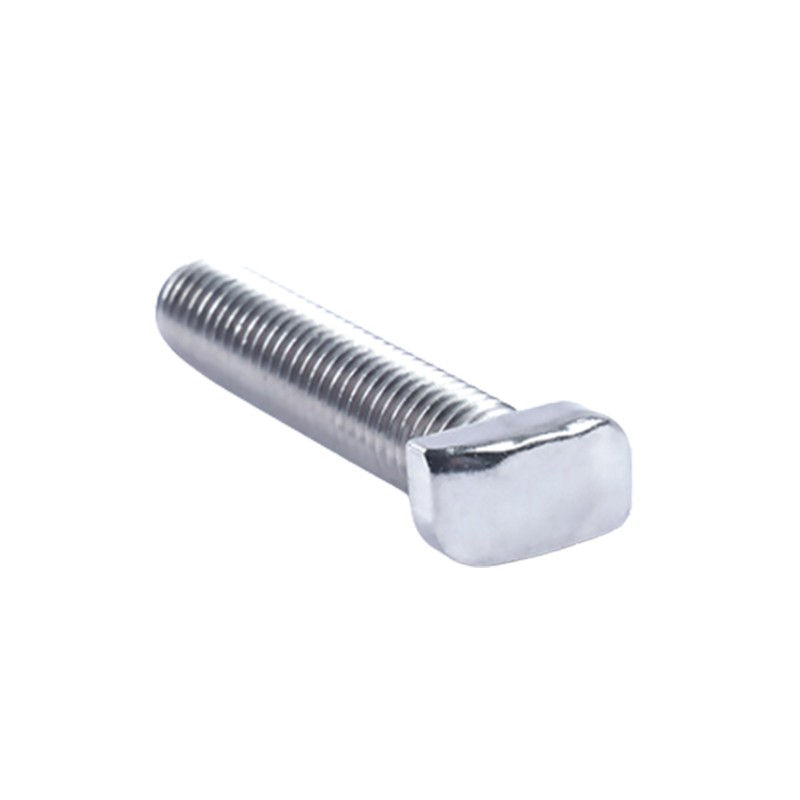
Integrating precision-engineered pressure riveting screws (commonly referred to as self-clinching studs) provides automotive, aerospace, and electronics manufacturing infrastructure with a definitive, high-strength solution for installing permanent, load-bearing male threads into thin sheet metal substrates without causing thermal distortion. By applying a controlled, parallel squeezing force that drives the fastener's corrugated clinching ring into a pre-drilled host hole, this process forces the surrounding cold metal to flow plastically into an annular undercut beneath the screw head. This mechanical displacement establishes a completely locked structural connection that achieves a push-out resistance exceeding 1,500 Newtons and a strip torque profile reaching up to 15 N·m in 1.5mm aluminum panels, bypassing the structural vulnerabilities, weld-splatter cleanup, and thread-tapping delays typical of legacy thermal joining methodologies.
Within modern precision chassis design, maintaining thread alignment across ultra-thin metal gauge profiles requires a fastening mechanism that acts as an unyielding, unified part of the host sheet. Traditional loose nut-and-bolt pairs or stamped sheet metal screws distort thin panels and are highly vulnerable to vibration loosening under operational stress. Transitioning to cold-flow self-clinching studs solves these stability risks by utilizing the metal's own material elasticity to lock the fastener permanently in place. This arrangement allows automated assembly lines to mount external sub-components rapidly onto the extended threaded studs without needing manual backside reinforcement or specialized tooling access.
Metallurgical Formulations and Substrate Hardness Interlocks
The mechanical success of a self-clinching press operation relies on a strict hardness differential between the pressure riveting stud and the receiving sheet metal panel. If the metal metrics are improperly balanced, the fastener will deform instead of piercing the host panel.
Heat-Treated Carbon Steel Fastener Performance
Carbon steel pressure riveting studs undergo case hardening to reach a minimum surface hardness of 80 HRB (Rockwell B). This extreme hardness allows the cold-flow ridges to displace softer structural metals, such as cold-rolled steel or half-hard brass plates, without flattening the knurled locking ring. The studs are finished with an electro-zinc coating to prevent galvanic corrosion at the joint interface.
Austenitic and Precipitation-Hardened Stainless Steel Options
When pressing threads into tough stainless steel enclosures (such as 304 or 316 grades), standard carbon steel fasteners fail because the host panel is too hard to flow into the undercut. Engineers use specialized studs made from precipitation-hardened stainless steel alloys that are heat-treated to 90 HRB or higher. This configuration ensures the locking ring effectively cuts into the hard stainless plate, providing excellent corrosion resistance and maintaining reliable joint density over long lifecycles.
Comparative Technical Evaluation: Pressure Riveting Screws vs. Weld Studs vs. Blind Rivet Nuts
Selecting the optimal high-production fastening framework requires comparing mechanical push-out thresholds against energy demands, thermal deformation risks, and backside surface profiles. The comparative table below details the performance boundaries across the three dominant thin-sheet industrial fastening configurations.
| Engineering Quality Parameter | Pressure Riveting Screws (Self-Clinching) | Capacitor Discharge Weld Studs | Heavy Blind Rivet Nuts / Studs |
|---|---|---|---|
| Backside Panel Surface Profile | Absolutely Flush (Blends Perfectly into Sheet) | Uneven (Features Weld Fillet / Burn Scarring) | Protruding (Requires a Raised Counter-Sunk Sleeve Head) |
| Thermal Stress & Warpage Risk | Zero (Pure Cold Mechanical Press) | Extreme (High localized heat can warp thin sheets) | Zero (Pure Mechanical Compression) |
| Torsional Torque Resistance | High (Locked via Deep Rib Undercuts) | Maximum (Unified via Molecular Fusion Zone) | Moderate (Relies on Friction / Hexagonal Hole Sides) |
| Installation Hole Tolerance Limits | Strict (+0.08 mm max variance allowed) | None (Surface Welding Requires No Holes) | Loose (+0.15 mm wide tolerance window) |
| Pre-Coated Metal Suitability | Excellent (Preserves Painted or Anodized Sides) | Poor (Coatings burn off, requiring strip cleaning) | Excellent (Mechanical clamping leaves finishes intact) |
The data comparison highlights a distinct division in application optimization. Capacitor discharge welding creates an exceptionally strong molecular bond, but it generates localized heat arcs that can burn, discolor, or warp pre-painted or thin aluminum enclosures, requiring expensive cosmetic grinding. Blind rivets handle wider hole variations but leave a large, bulky sleeve head protruding from the backside of the panel. Pressure riveting screws resolve these layout challenges by pressing entirely flush into the sheet metal, maintaining flat panel profiles and protecting delicate electrical modules mounted nearby.
Advanced Displacement Geometry and Torque-Out Resistance Features
Modern pressure riveting components incorporate specific geometric features along their heads to maximize hold strength and prevent the stud from breaking loose when tightening mating nuts.
- Angled Spiral Locking Ribs: The underside of the stud head features a ring of deep, angled ribs. When pressed into the sheet metal, these ribs act like small wedges, trapping the cold-flow metal to block rotation and provide high rotational torque resistance.
- Tapered Annular Relief Undercuts: Positioned directly below the locking ribs, this groove captures the displaced metal. Once the sheet metal cold-flows into this recess, the stud becomes locked vertically, preventing it from pushing out during high-load assemblies.
- Unthreaded Pilot Alignment Tips: The lead threads on high-production self-clinching studs feature an unthreaded lead tip. This extension helps guide mating nuts onto the threads smoothly, avoiding cross-threading errors on automated assembly lines.
Step-by-Step Press Force Calculation and Installation Protocol
Because applying excessive or uneven pressure can warp sheet metal or crack the stud's locking ring, operators follow a precise installation and calibration sequence.
- Precision Hole Punching: Punch or laser-cut a hole into the sheet metal panel matching the stud's specifications. Maintain a strict hole tolerance window (e.g., exactly 5.41mm to 5.49mm for a standard M5 metric stud) to ensure proper cold-flow metal volume.
- Aligning Parallel Press Dies: Set flat, hardened anvil and punch tool sheets into a hydraulic press machine. Ensure the tool faces are perfectly parallel; any angular offset can apply uneven force, bending the stud shank and distorting the host panel.
- Fastener Positioning: Insert the pressure riveting stud through the pre-cut hole from the reverse side, ensuring the unthreaded locking ribs rest squarely against the sharp outer edge of the hole rim.
- Applying Parallel Squeezing Force: Cycle the hydraulic press to apply a smooth, continuous force (typically between 15 to 30 kilonewtons for aluminum profiles). Avoid impact blows or hammer drops, which can crack the hardened steel head.
- Flushness and Penetration Check: Inspect the underside of the panel to ensure the stud head sits completely flush with the metal face. Check the joint with a micrometer depth gauge to confirm proper cold-flow metal fill inside the retention undercut.
Mitigating Joint Fatigue and Managing Close-Edge Constraints
While self-clinching pressure studs provide exceptionally reliable retention, placing them too close to panel edges or bends can cause material deformation and weaken the joint.
Managing Edge-Distance Deflection Profiles
When a pressure riveting screw is driven into a hole located too close to the outer edge of a sheet metal panel, the intense pressure forces the metal outward, causing the panel edge to bulge and weaken the joint. To maintain full push-out strength and keep the panel straight, designers follow the 2X diameter clearance rule. This standard keeps the center of the mounting hole at a distance of at least two full stud head diameters away from any free edge or structural bend line.
Controlling Embrittlement in Anodized Workpieces
Pressing hardened studs into thick, hard anodized aluminum plates can crack the brittle oxide surface layer around the hole rim. These micro-cracks allow moisture to enter, leading to galvanic corrosion that can loosen the joint under vibration. To prevent this fatigue, production lines should punch and press self-clinching studs into raw aluminum sheets before applying the final anodized or powder coat finish, ensuring the protective layer seals the entire assembly.